Understanding
Cat Genetics
How dominant and recessive traits work — and what DNA testing really means for your kitten.
Every kitten receives two copies of each gene — one from mom and one from dad. These genes determine everything from coat color to health traits. Some genes show up easily, while others stay hidden unless paired with the right match.
Stand Alone
Dominant Traits
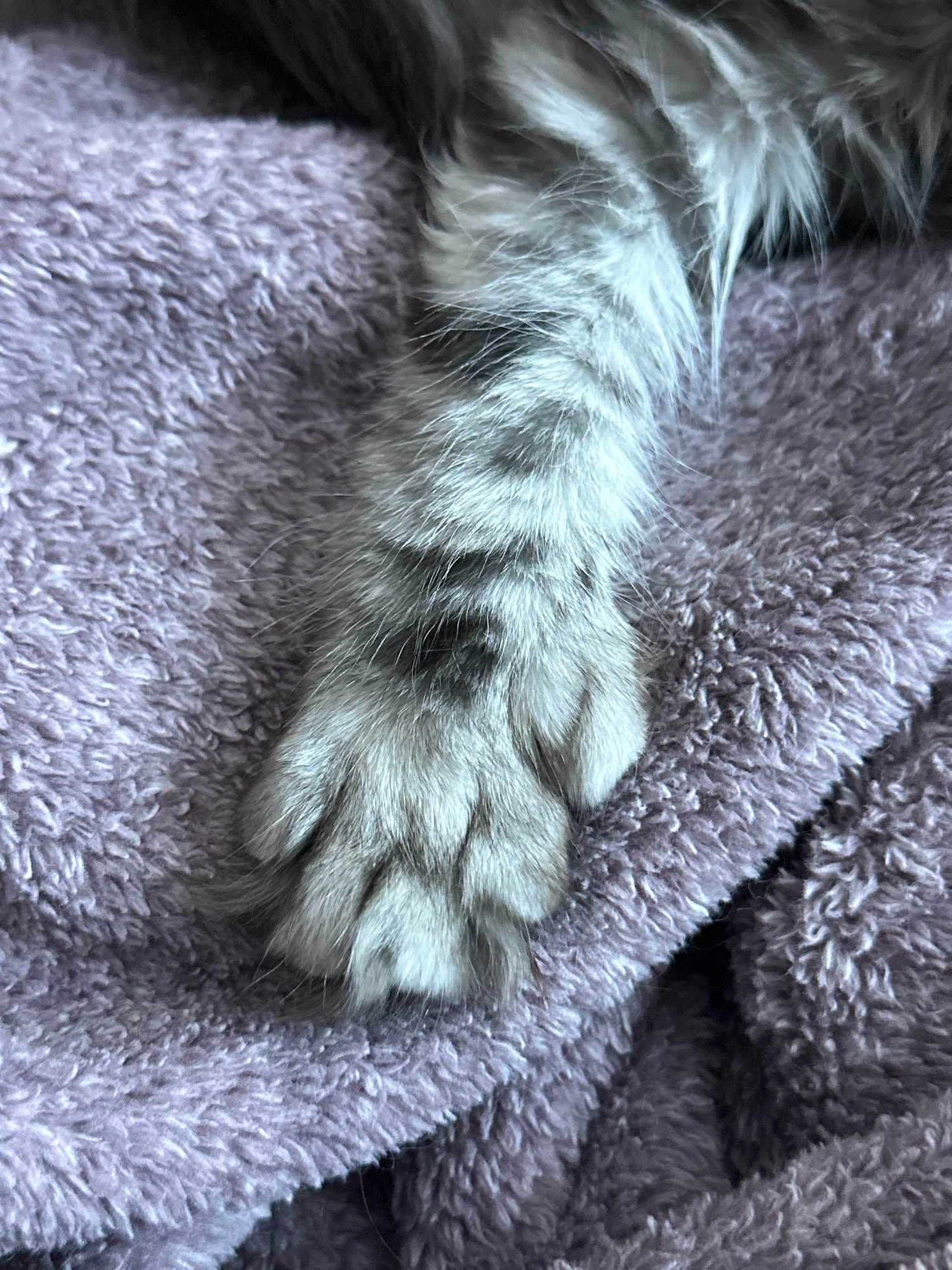
Polydactyl
Only one allele from either mom or dad is needed for a kitten to become polydactyl. It can affect front and/or back paws, or all four paws. There are several styles including mitten foot and patty foot.
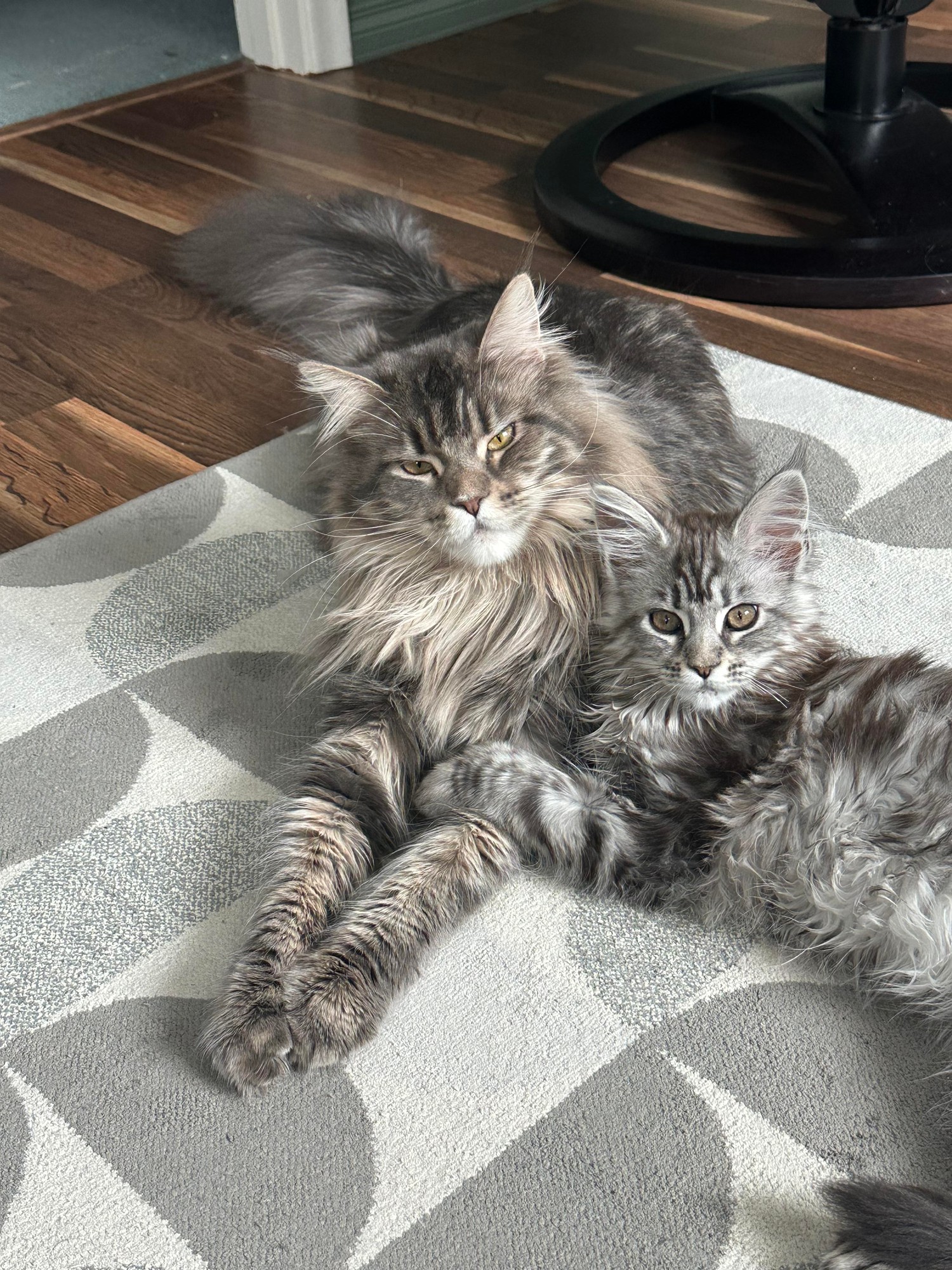
Agouti (Tabby Markings)
Agouti (tabby markings) is a dominant trait — only one copy from either parent is needed for a kitten to be tabby. Because each cat inherits one allele from each parent, the non-tabby (solid) allele can be carried and passed on without being visible.
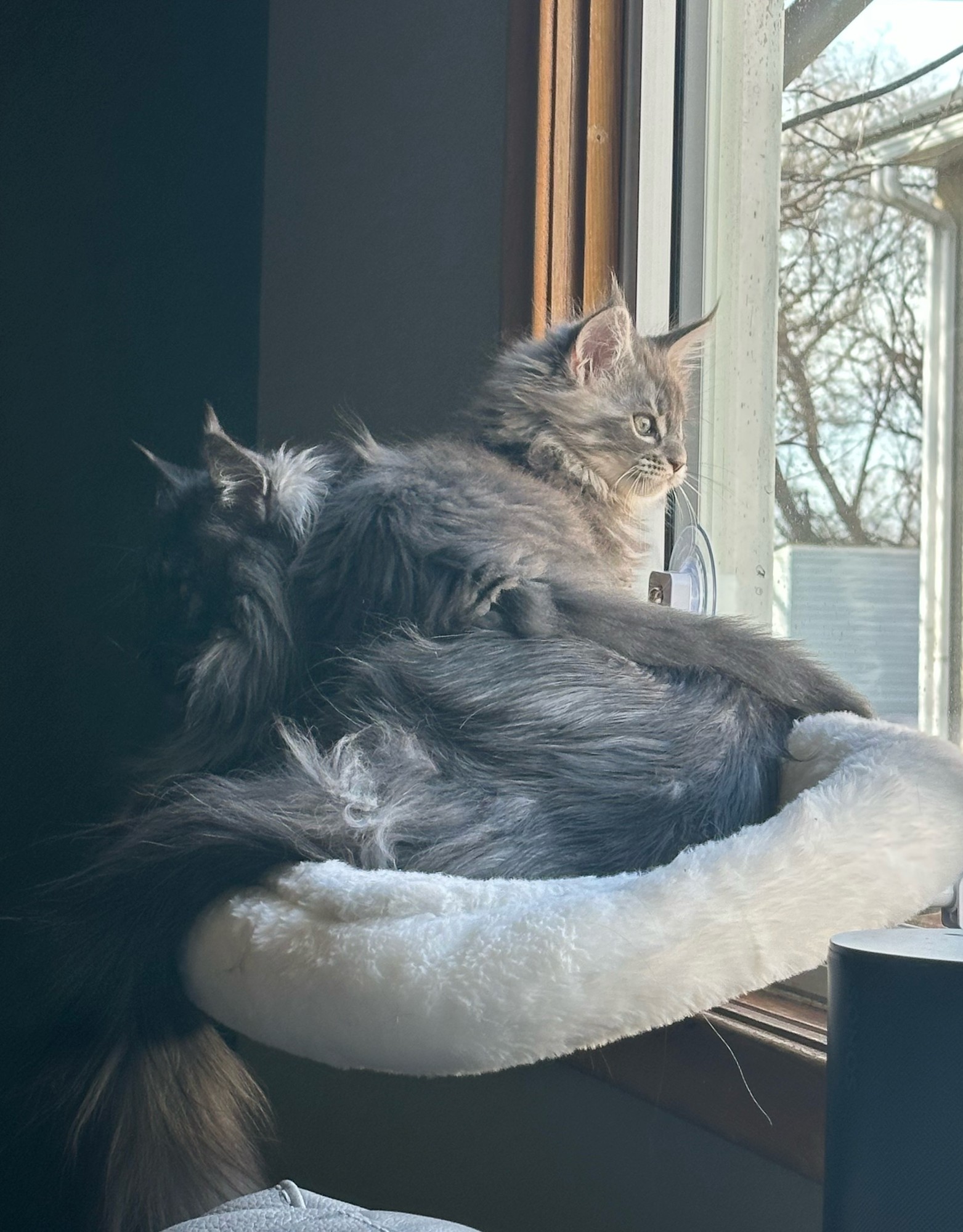
Silver / Smoke
The Silver/Smoke gene is another dominant trait. The difference between smoke and silver comes down to whether the cat is tabby or solid. If the cat is tabby and has this gene, it is called silver. If the cat is solid (non-tabby), it is called smoke. Same gene — different name based on pattern.
Must Be Paired
Recessive Traits
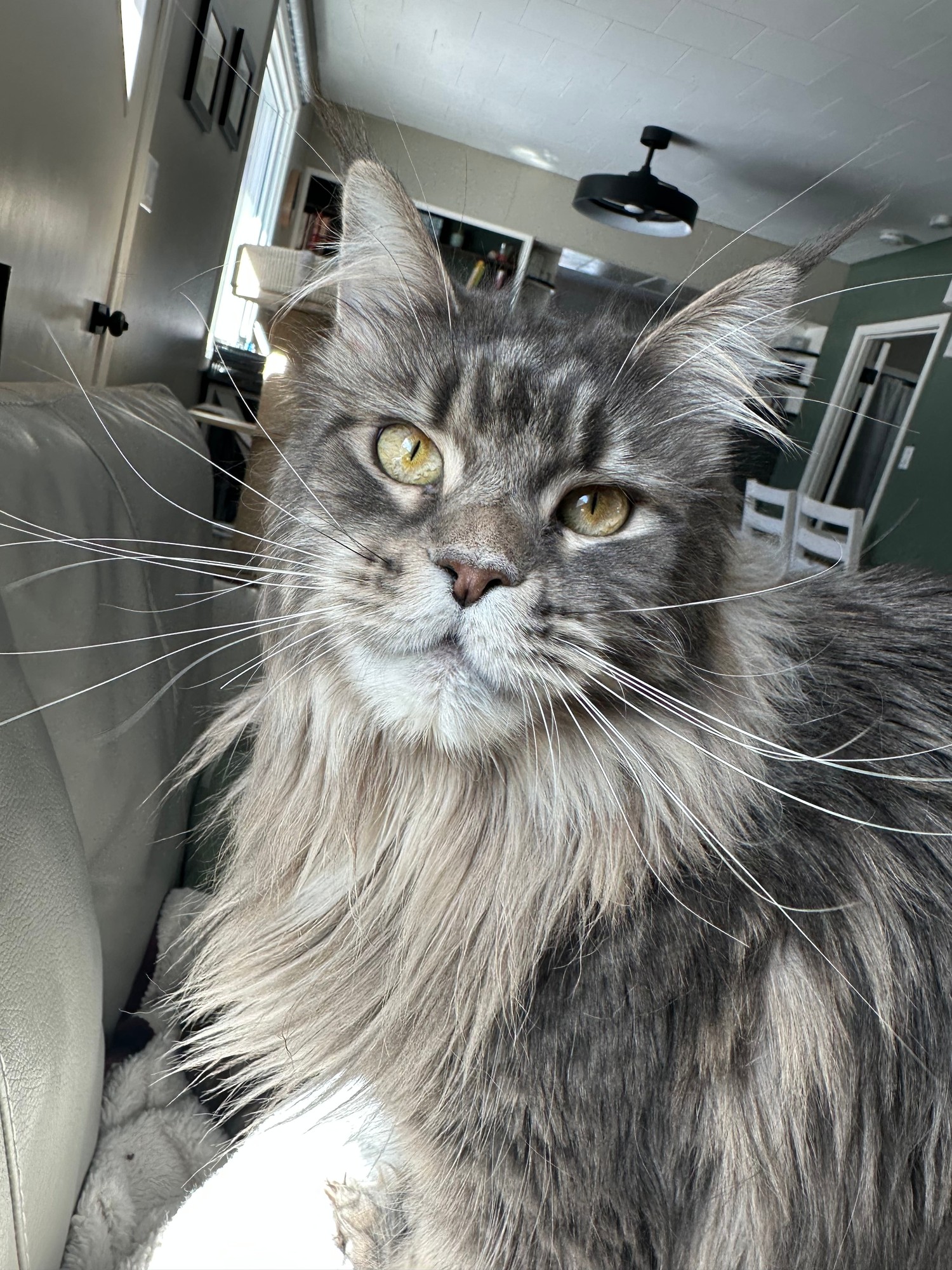
Dilute
Changing Black to Blue, Red to Cream
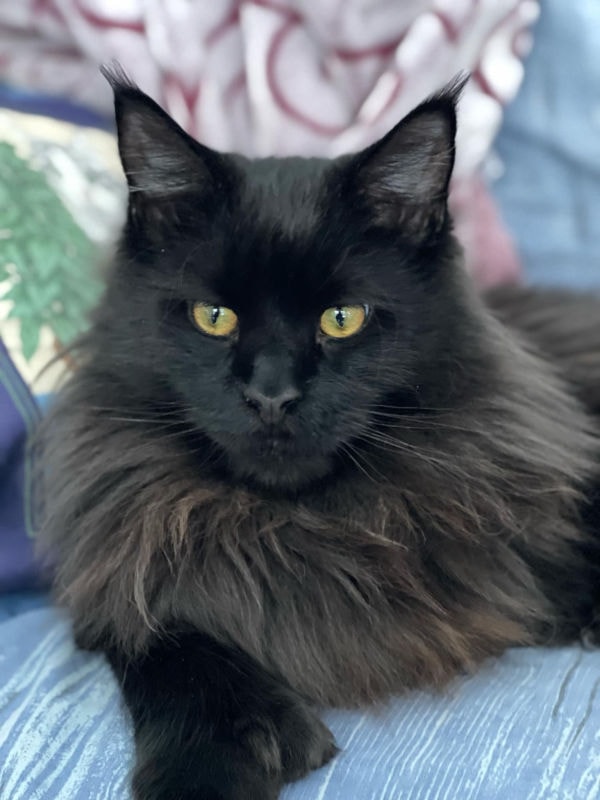
For a cat to be blue or cream, it must inherit a dilute gene from both parents, along with the appropriate base color. The dilute gene is not affected by agouti, so these colors can appear in both solid and tabby cats.
Solid
The Hidden Non-Tabby
Agouti (tabby) is the dominant trait, while solid (non-agouti) is recessive. Two solid cats cannot produce a tabby kitten. However, two tabby cats can produce a solid kitten if both carry the recessive solid allele and pass it on.
Do Their Own Thing
Complex Traits

White / White Spotting
The Mask of White
White is a dominant trait that masks all other colors and patterns. A cat only needs one copy of the white gene for it to fully cover whatever color or pattern is underneath — including tabby, smoke, or solid. A white cat can genetically be any color, even though it is not visible. White spotting is different: it adds areas of white (paws, chest, facial markings) while the underlying color and pattern remain visible.
Red
The Sex-Linked Color
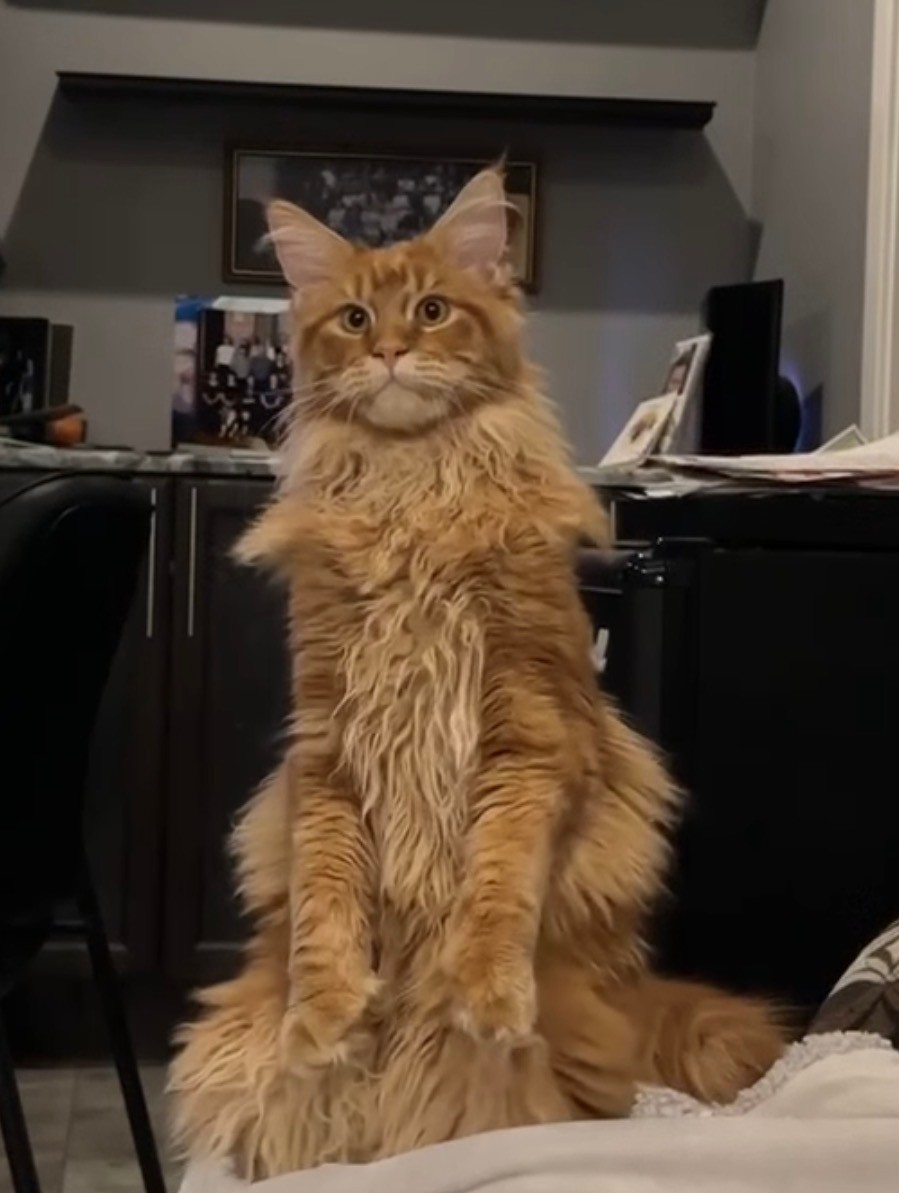
Red works differently from most other colors because it is sex-linked — the gene is carried on the X chromosome. In males (XY), one copy of the red gene makes the cat fully red. In females (XX), two copies are needed for a fully red cat. If a female has one red gene and one non-red gene, she will be a tortie. Red can also combine with dilute to produce cream.
What This Means
Health & DNA Testing
The same genetic principles that govern coat color also apply to inherited health conditions. Understanding this is key to responsible breeding.
Carriers are healthy
A carrier that has one copy of a recessive gene will not have the condition. This is where confusion often happens. A carrier is healthy — they will not develop the condition, and only pass the gene to some of their kittens.
Safe vs. risky pairings
Carrier × Clear (non-carrier): no kittens will be affected, though some may be carriers. Carrier × Carrier: there is a risk of affected kittens. This is why responsible breeders test.
Why responsible breeders test
DNA testing allows breeders to make informed, safe pairings. Seeing a recessive gene on a test result is not a red flag — it is useful information. Removing every carrier from breeding would reduce genetic diversity and create bigger health problems over time.
Genetics includes both visible traits — agouti, smoke, dilute, solid coats, and the Maine Coon's long hair — as well as hidden genes that may never be seen but still matter in breeding decisions. The same principles apply to health: a recessive gene on a DNA test does not mean a cat is unhealthy, only that careful pairing is required. Genetics is not about "good" or "bad" cats — it is about making informed decisions. A well-tested cat — even a carrier — can be part of a responsible breeding program and produce completely healthy kittens when paired correctly.
Fluff N' Tuffs
A Note About Our Program
Wisdom Panel Health Testing
HCM · SMA · PKD · Hip Dysplasia · Echocardiograms
Our Wisdom Panel tests include conditions known to affect Maine Coons, including Hypertrophic Cardiomyopathy (HCM – MYBPC3), Spinal Muscular Atrophy (SMA – LIX1), and Polycystic Kidney Disease (PKD – PKD1). These conditions are inherited in different ways. In addition, all of our breeding cats will undergo regular echocardiograms (cardiac ultrasound) performed by a veterinary cardiologist, starting November 2026, and are evaluated for Hip Dysplasia via Pawpeds at 10 months of age. DNA testing identifies known genetic markers, but an echo detects structural heart changes that genetics alone cannot catch — giving us the most complete picture of each cat's cardiac and physical health.
Autosomal Recessive
Two copies required for a cat to be affected.
Dominant
A single copy can cause disease.
Complex / Linked
Can increase risk with one copy but doesn't guarantee disease.
Because of the potential health impact, we have chosen not to use cats that carry SMA or HCM-associated mutations in our breeding program. For dominant conditions like PKD — which can cause disease with just one copy — these would never be present in our lines. Combined with regular echocardiograms (beginning November 2026) and hip evaluations, our goal is to use every available tool to eliminate risk while maintaining the long-term health and stability of the breed.
Have Questions?
We're happy to chat
If you have questions about genetics, our health testing, or what to expect from your kitten, reach out anytime.
📧 Get In Touch